English
 Français
 Deutsch
 Suomi
Suomi Español
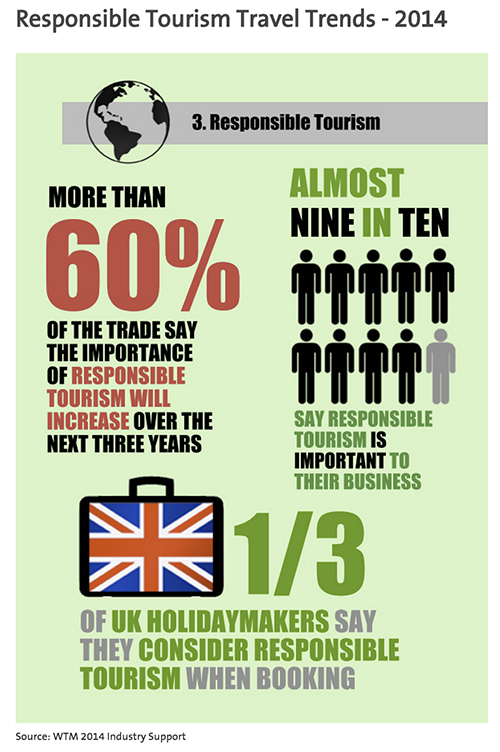
Public concern about the welfare of dogs in the sleddog industry, for both safaris and racing, has grown in recent years. Some comes from tourists wanting to know more about the behind-the-scenes care of animals, in step with the growing interest in 'responsible tourism'; some from scandals in the popular press, the British Columbia cullings being the most internationally publicised. To safeguard the sport, the industry needs to be seen tackling this proactively and ensuring average farm standards are high enough that concerned consumers can take part with confidence.
- Estimated ~3000 dogs within a 2-hour radius of the farm; 5-6000 including Kiruna, Alta and Tromso
- Gold award, World Responsible Tourism Awards 2015 (Best Animal Welfare Initiative)
- Mush with PRIDE founded in the 1990s; ~500 members worldwide
- Hetta Huskies achieved PRIDE's highest 'certificate plus' rating
- Calls for mandatory minimum standards specific to sleddog farms, not just voluntary codes
Justifying the need at a Finnish parliamentary level
To give a sense of scale, my best estimate is around 3000 dogs on farms within a 2-hour radius of our own; 5-6000 if the nearest urban centres in Sweden (Kiruna) and Norway (Alta and Tromso) are included. Sleddogs are pivotal to a healthy tourism business, and given the economic importance of tourism in the northern regional economies, their value to the region is immediately apparent.
Our work in this regard earned us a Gold award in the 'Best Animal Welfare Initiative' category of the World Responsible Tourism Awards, 2015.
Birth and death factors
It is still relatively common to routinely cull the old or infirm in the kennel population - for instance at the end of the working season - to optimise the health and age range of the working dogs and reduce the number that must be fed through the long, income-free summer months.
This was the case in British Columbia, where after the games there was a surplus of dogs and kennels couldn't afford to keep them all. A handful of dogs killed in a kennel each year warrants little attention; but when mass graves are uncovered, the public unsurprisingly finds it abhorrent. Norms acceptable 20 years ago may simply be 20 years out of date.
How the industry responded: Mush with PRIDE
The first response to the attacks came in the 1990s with the organisation 'Mush with PRIDE', whose working group developed recommended standards for food, water, exercise, kennel size and more. It became the leading standard internationally, and the organisation (Providing Responsible Information on Dogs in their Environment) has about 500 members worldwide, the vast majority in the US or Canada.
Our farm has taken part in its Voluntary Kennel Inspection Program and achieved 'certificate plus' rating - their highest possible standard. But these standards are purely voluntary and therefore unenforceable, and it is the dogs in other kinds of kennels that need the most help - help that can only come from mandatory minimum standards specific to sleddog farms.
The British Columbia case study
When the British Columbia cullings flooded the press, animal rights activists in the US called for a ban on sleddogs per se. For British Columbia, this was as big an issue as it would be for northern Scandinavia: one of the most important parts of their tourism market was under threat because of the actions of a few.
Their task group of stakeholders developed two levels of management: 1) a reference document of recommended best practices (The Sled Dog Code of Practice), and 2) a new legal regulation covering minimum standards of care (Sled Dog Standards of Care Regulations). The extensive research behind these documents can now be drawn on by other sleddog regions developing their own standards.