English
 Français
 Deutsch
 Suomi
Suomi Español
British Columbia led the way in standards setting, and here's why. The sleddog industry first became a 'hot topic' in the popular press after the alleged culling of c. 100 dogs by Howling Dog Tours in Whistler, Canada, in April 2010. The story blew up because the kennel manager petitioned for compensation for the mental trauma of killing that many animals by hand in one go.
- Trigger: alleged culling of c. 100 dogs by Howling Dog Tours, Whistler, April 2010
- Official investigation cost c. $225,000, about half paid by the province
- 9 of 56 exhumed skeletons were determined to have suffered an inhumane death
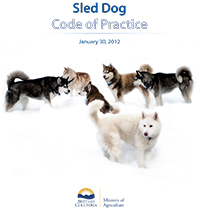
- Two-tier system created: voluntary Code of Practice + enforceable Standards of Care Regulations (effective Oct 1, 2012)
- Task force made 10 recommendations to enhance sled dog health, welfare and protection
The case of the Howling Dog Tours cullings
The company had supposedly asked a vet to anaesthetise the animals, but they refused to put down that many healthy dogs. Outrage was therefore not just about the number killed at once but the alleged method. It became so widespread that people called for a ban on chaining dogs 24/7, a ban on killing healthy, socially amenable dogs once no longer suitable for the industry, and even challenged the very use of dogs for pulling sleighs as morally unacceptable - in effect, a ban on sleddogs per se.
This would have been the worst-case outcome for the industry in British Columbia: the classic case of the actions of an irresponsible few drawing attention to the many.
How applicable is this case to the European sleddog industry?
This case is highly applicable to the European sleddog industry. At the time of the cullings, the standards in BC / Canada were remarkably similar to those in Scandinavia today, and clearly insufficient. Signing up to voluntary codes of conduct or 'accrediting' practices against PRIDE guidelines were good starting points, but they had no legal force against bad practice in the absence of regulations, licensing or a formal code of conduct.
The only national codes of practice and minimum care requirements in place were ones applying to cattle, sheep and pigs - exactly where Finland is now.
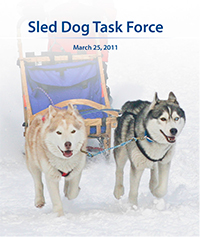
Who was part of BC's Sleddog Task Force?
Representatives of the BC Province, the sled dog industry, veterinarians, the BC SPCA (Society for the Prevention of Cruelty to Animals), other animal rights groups including The Ian Somerhalder Foundation and Lifeforce, Ministry of Agriculture staff and academics with expertise in animal welfare all came together as BC's Standard of Care working group, tasked with enhancing the health and welfare of all sled dogs in B.C. and giving the industry a better image.
What were the outcomes?
The Sleddog Task Force determined the need to: 1) produce a sleddog-specific 'Code of Practice' - recommended best practices for both commercial and recreational operators covering health and welfare, nutrition, housing, husbandry, transportation and euthanasia; and 2) use that Code as the foundation for a sleddog welfare audit and verification programme, the 'Sled Dog Standards of Care Regulations', which came into effect on Oct. 1, 2012 and establishes legal requirements enforceable under the Prevention of Cruelty to Animals Act.
In total the task force made 10 recommendations. It concluded that dogs can enjoy a meaningful, positive quality of life as part of a sled dog team, provided adequate standards of care for their physical and mental well-being are met.