English
 Français
 Deutsch
 Suomi
Suomi Español
The Code of Practice as part of a two-tier system of welfare 'accreditation'. BC's Sleddog Working Group developed a two-tier system for overseeing sleddog farms to ensure the highest standards of care. The Sled Dog Code of Practice is a reference document guiding owners and operators, veterinarians and law enforcement officials on recommended best practices. It was the first tier drawn up - a voluntary set of 'best practice' codes farms can certify themselves against. The second tier, a set of mandatory requirements enforceable by law (the Sled Dog Standard of Care Regulation), came into operation 10 months later. We reproduce it here in full so that other regions can use it as a springboard for their own codes of best practice.
- First tier of a two-tier welfare system: voluntary best-practice codes farms can certify against
- Endorses the 'five freedoms' for sled dog welfare
- No acceptable reason to end the life of a healthy, socially amenable dog no longer suitable for the industry
- Aim for a Body Condition Score of 4-5 on the 9-point Nestle Purina scale
- Pen minimum space: 9.3 m2 for one dog, 13.02 m2 for two
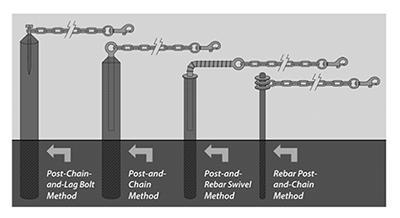
- Tethers must be choke-collar free and allow safe contact between dogs
- Owning a sled dog is potentially a 15-year commitment
General Agreement Principles
The Working Group reached consensus that, on the available scientific evidence, sleddogs can enjoy a meaningful, positive quality of life as part of a team provided adequate standards of care for their physical and mental well-being are met. Sled dogs are bred to run and gain many mental and physical benefits from sledding; a musher's duty is to care for them so those benefits are fully realized.
There was agreement that sled dogs are entitled to the 'five freedoms': freedom from hunger, thirst and malnutrition; from fear and distress; from thermal and physical discomfort; from pain, injury and disease; and freedom to express normal patterns of behaviour. The Group also agreed there is no acceptable reason to end the life of a healthy, socially amenable dog simply because it may no longer be suitable for use in the industry.
Body Condition Score, Health Care and Exercise
Body Condition Score (BCS) helps determine whether an animal is too thin, too fat or of optimum weight. Dogs at a BCS below 3 or of 7 or above must receive veterinary attention and/or corrective action; operators should aim for a BCS of 4 to 5 on the 9-point Nestle Purina system.
Sled dogs must be given veterinary care to meet their health and welfare needs, and prompt attention for severe pain, suffering, deteriorating health or serious injury. Exercise is vital to physical and mental health and is usually running in harness, but may also include walking, swimming, playing or treadmill work - always under direct supervision when equipment is used.
Full Life Cycle Planning, Breeding and Re-Homing
Owning a sled dog is potentially a 15-year commitment. The transition from working life through retirement, and possible re-homing, requires thoughtful planning and resources, and life cycle planning must be demonstrated before breeding or acquiring a sled dog.
Unplanned breeding can create a major welfare problem; the most effective prevention is to spay or neuter all dogs not intended for breeding, which does not reduce a working dog's abilities. Females in heat must be separated from intact males except for planned breeding. Healthy, re-homable dogs must not be euthanized unless all re-homing options have been exhausted, and euthanasia must never be used as population control for such dogs.
Accommodation, Tethering and Housing
A containment system is a secure area such as a pen, run or kennel, or the area within which a tethered sled dog may roam. Sled dogs are very social creatures and thrive where they can interact with their teammates; isolation has been associated with an increased incidence of behavioural abnormalities. A sled dog must be released from its containment system at least once every 24-hour period for socialization and exercise. A pen must provide a minimum of 100 sq. ft. (9.3 m2) for one dog, 13.02 m2 for two, with more for each subsequent dog. Tethers must not use a choke collar and must allow safe physical contact between dogs while limiting tangling. Dog houses must be large enough to allow the dog to stand, turn around and lie down, and provide shelter from rain, wind, snow, sun and excessive heat and cold.
Working Conditions, Equipment and Environment
Selective breeding and training allows sled dogs to run and pull with joy and enthusiasm. Sled dogs must not be worked beyond their willingness, capability or conditioning, and must not be dragged or physically coerced; the operator's leadership role should be enforced calmly and patiently, never by physical punishment. Harnesses and equipment must be properly fitted, clean and in good repair, and collars must not damage the skin or restrict breathing. Sled dogs must not be worked in conditions that result in hypothermia, frostbite, hyperthermia or dehydration - heat stress can occur even at temperatures well below freezing, and protective equipment such as belly protectors and wind-proof jackets should be used in cold, windy conditions.